
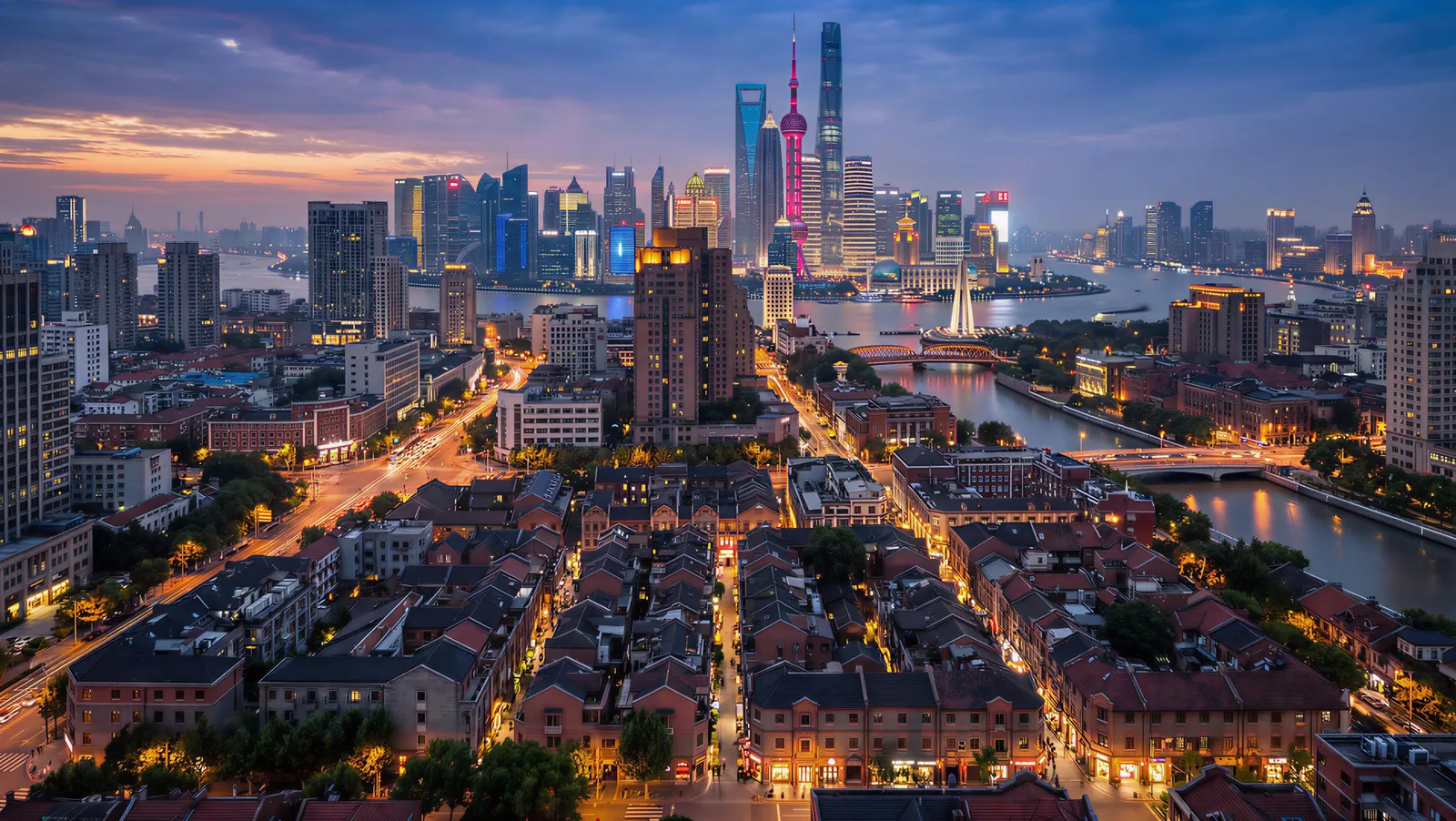
Days 1–3 · international standard
Shanghai
Scale, international service and how big business works: a luxury hotel, a chain hotel and the chain’s head office, restaurants and suppliers.
 Business trip · business mission
An eight-day business trip to Shanghai, Suzhou, Hangzhou and Moganshan. Luxury and chain hotels, restaurants, boutique hotels and suppliers: meetings with managers and owners about standards, costs and scale.
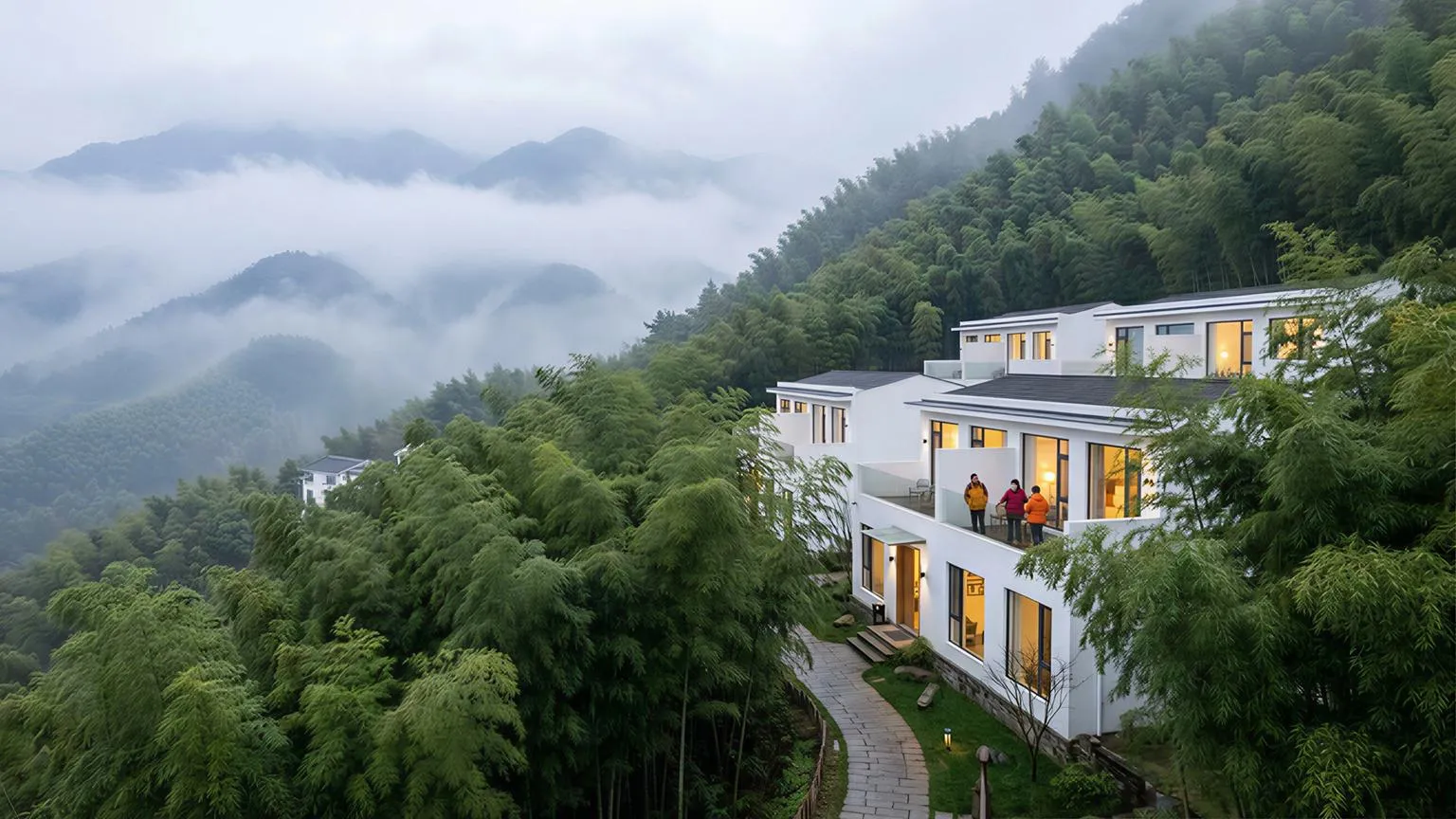
In Chinese hospitality, different formats are closely linked: luxury and chain hotels, a Michelin restaurant and a central kitchen, a consumables supplier and a country boutique hotel. Over 8 days the group sees each of them, from Shanghai to the mountain cluster of Moganshan.
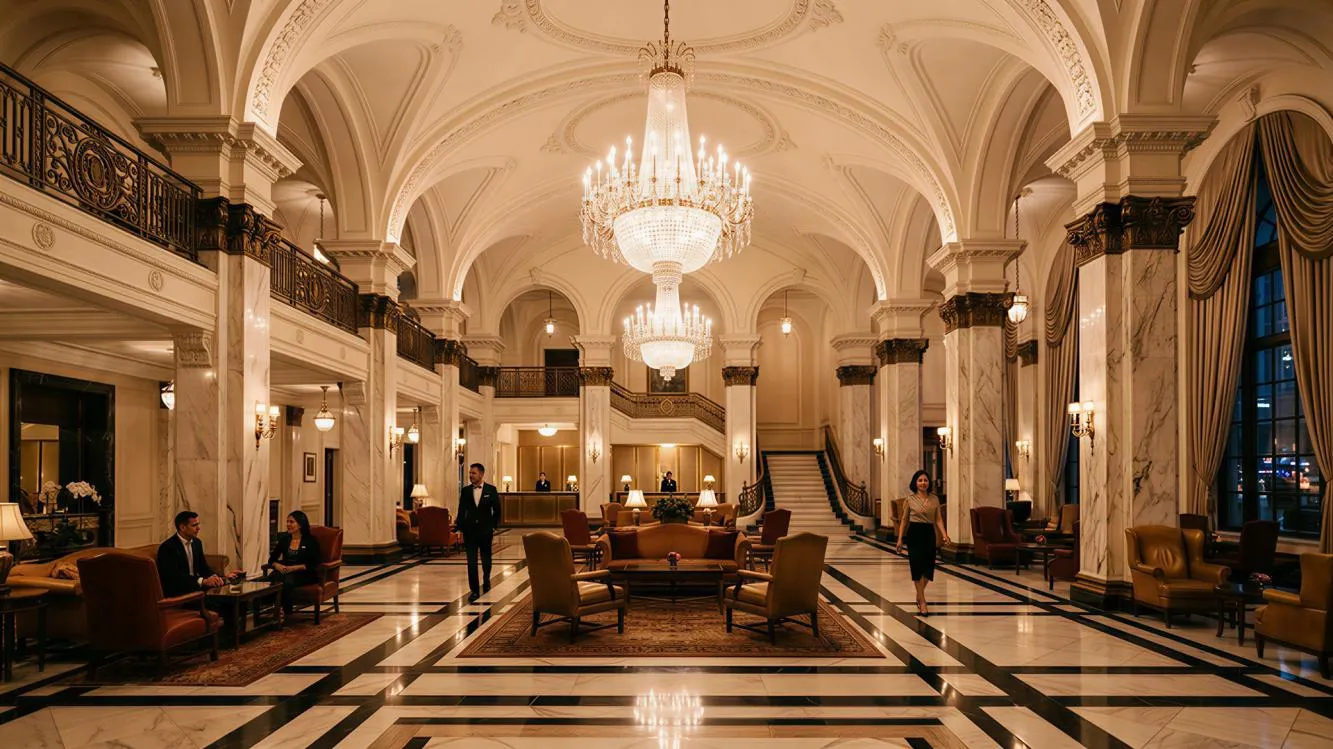
How a historic building becomes a luxury hotel, and how Chinese chains grow through standards and technology.
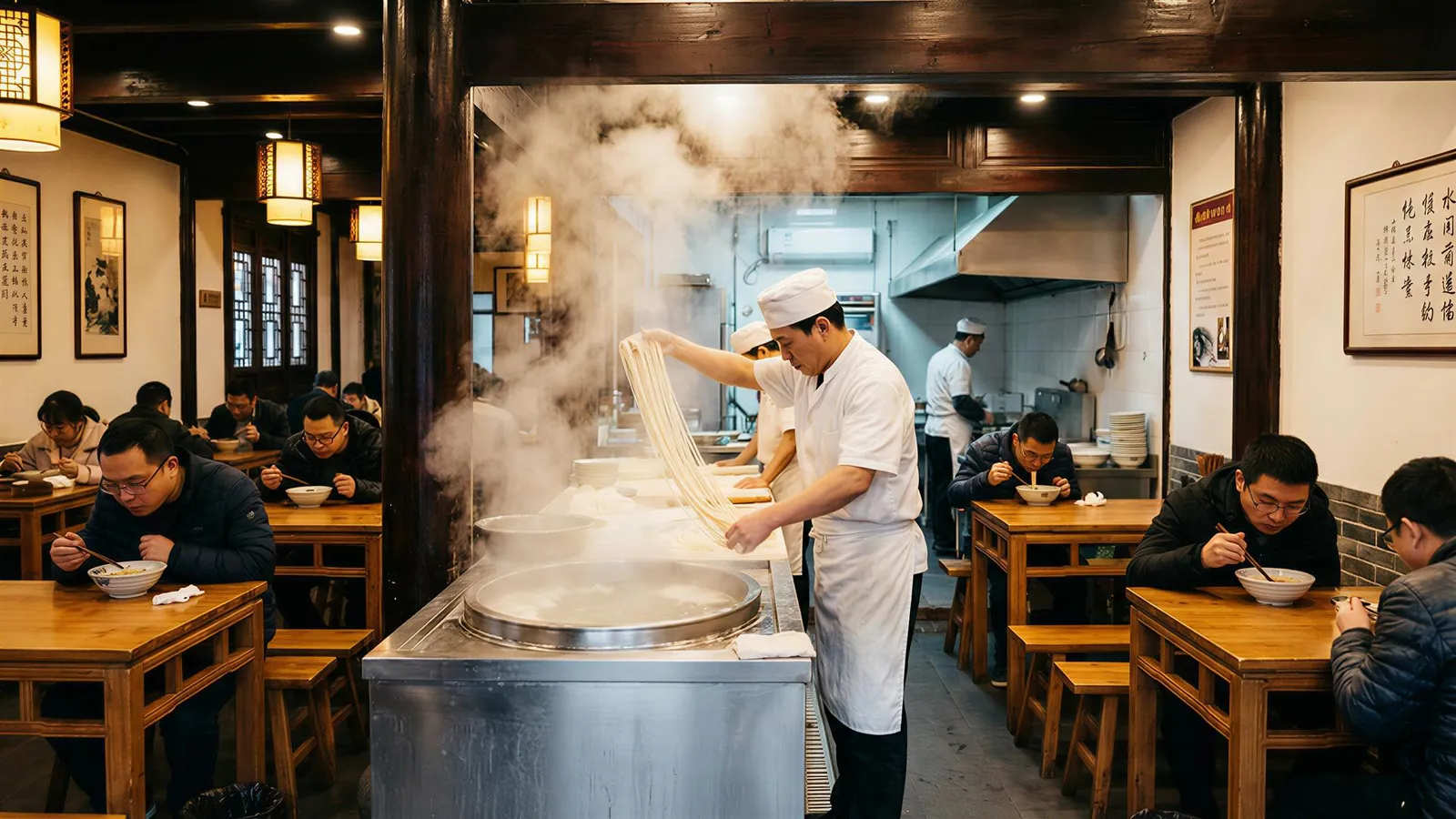
An old noodle house, a Michelin-starred restaurant and a chain’s central kitchen: quality, costs, scale.
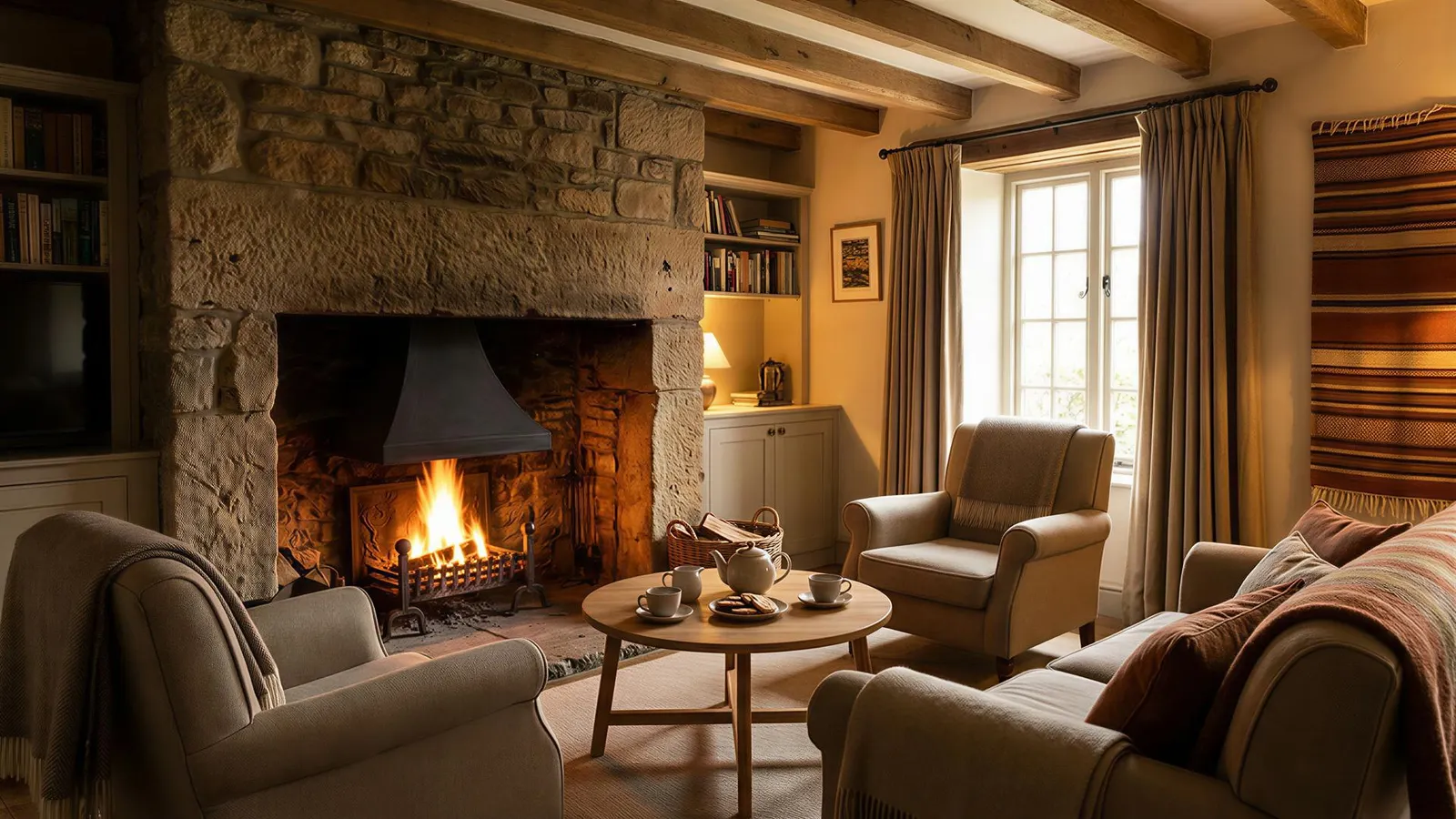
How local culture, architecture and nature make money, and who supplies the industry with what it needs.
The main takeaway: how service businesses in China are built to grow while staying rooted in local culture.
Between cities we travel by high-speed train and comfortable coach.
Scale, international service and how big business works: a luxury hotel, a chain hotel and the chain’s head office, restaurants and suppliers.
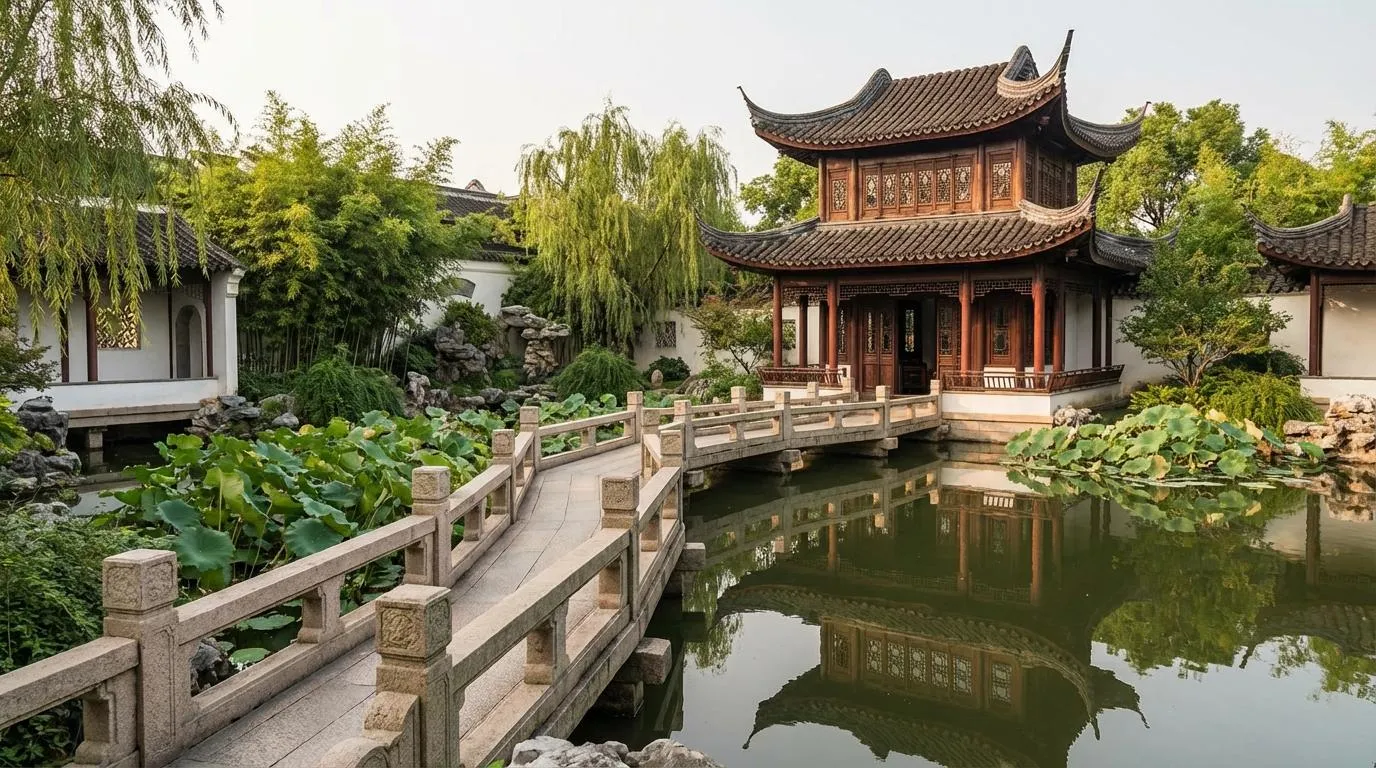
How historic architecture becomes the basis of a hospitality product: a classical garden, local food, boutique guesthouses.
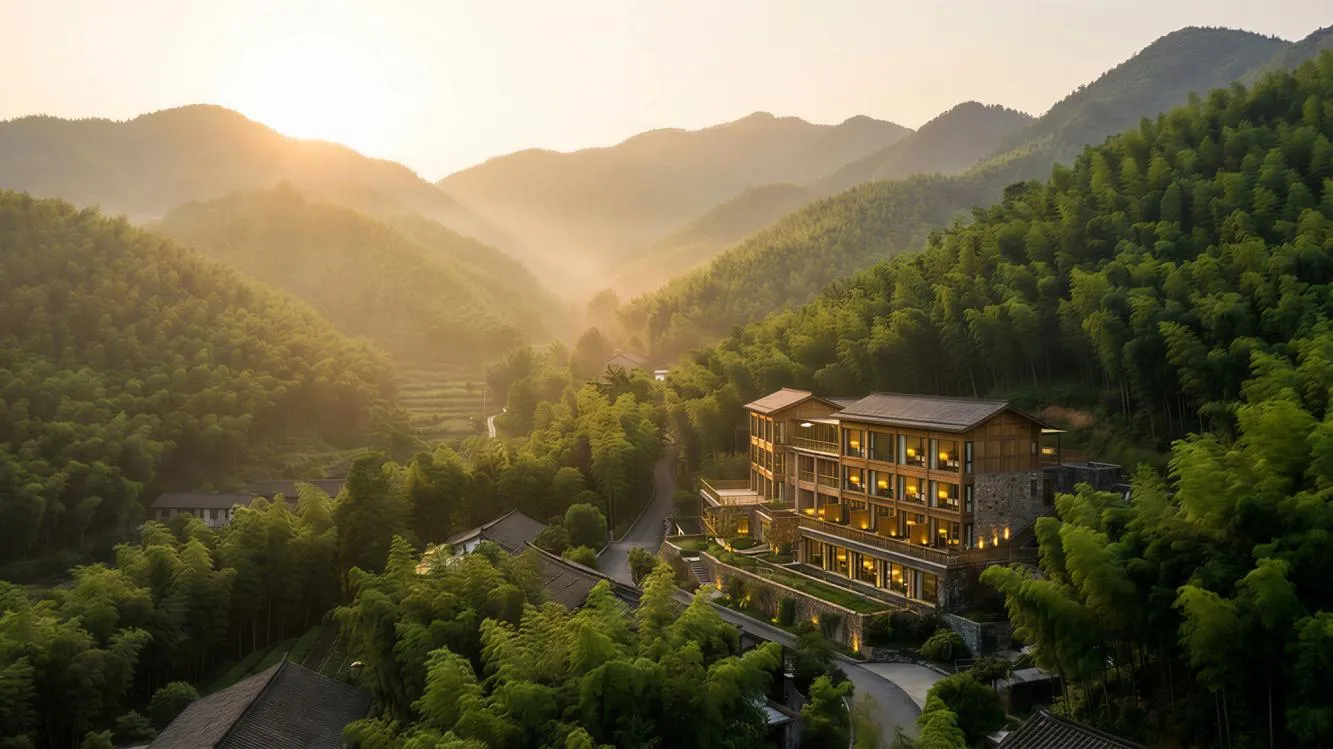
Nature, country boutique hotels and lifestyle formats, restaurant chains.
For those who build or run a service business and want to see how it is done in China and talk to the people who make the decisions.
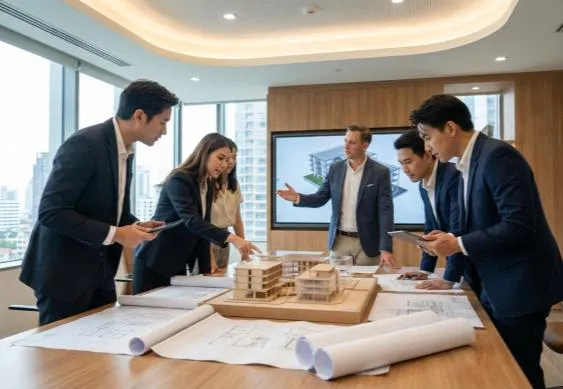
How China combines standards, digital services and local character.
Quality control models, central kitchens, cost management and scaling.
Which formats are growing, and how old buildings and natural settings start to generate income.
Suppliers, design studios, consultants: how the Chinese consumer market works and how digital tools are changing traditional industries.
Tap a day to see the details.
We do not publish the names of the hotels, restaurants and companies. We discuss them with participants one-on-one, in messages or on a call, and share the full list of meetings closer to the trip. The programme can be adjusted to the group’s goals.
How a historic building becomes a luxury product.
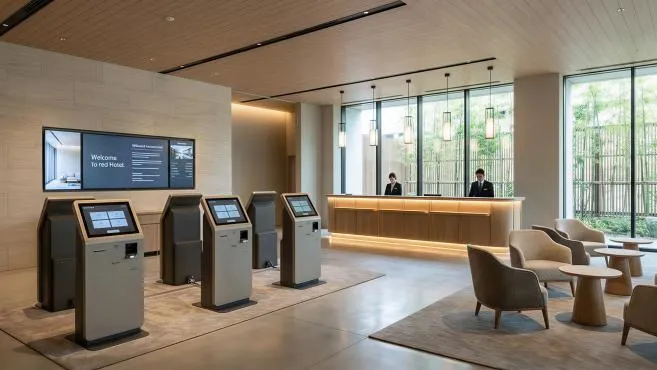
The flagship hotel and headquarters of a major hotel group: how the chain grows through standards and technology.
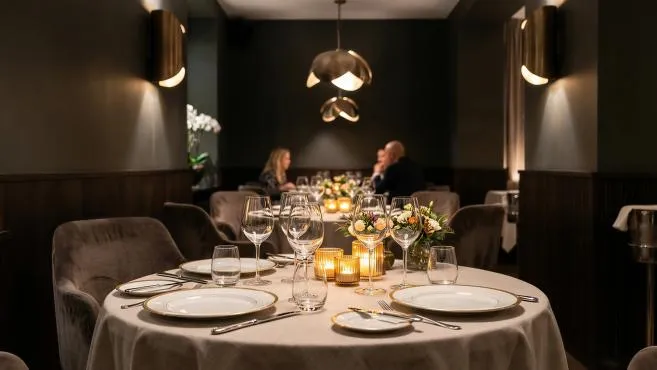
How to keep quality at Michelin-star level.

How supply chains and product customisation for the industry work.
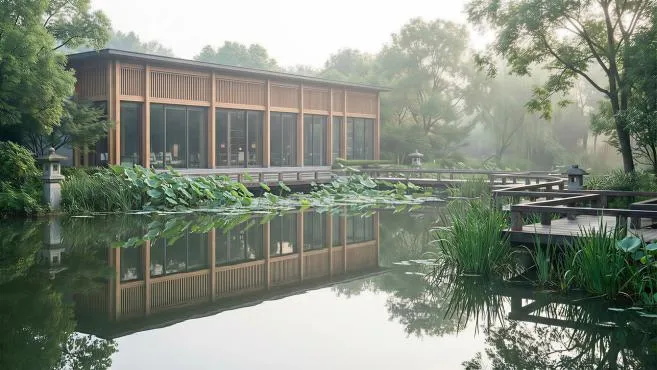
How architecture and nature create intimate service.
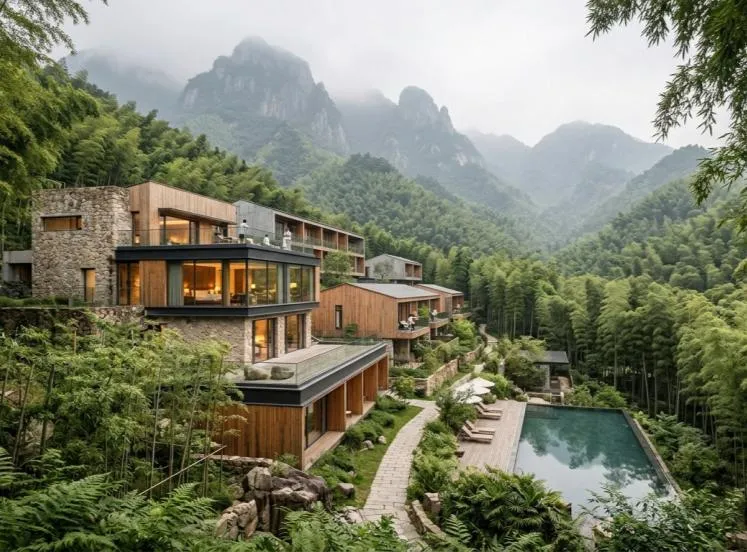
How a place and its local culture generate income.
We do not publish the names of the hotels, restaurants and companies. We discuss them with participants one-on-one, in messages or on a call, and share the full list of meetings closer to the trip. When a visit is not public, hosts speak more freely about numbers and problems.
The visits are chosen to show the whole industry together: luxury and chain hotels, a restaurant and a central kitchen, city and country properties.
At each company we meet management and hold a closed seminar and Q&A on standards, margins, the operating model, staff and digitalisation.
Premium, chain format, design boutique, country cluster, suppliers and central kitchens.
The trip is led by Ivan Melnikov. He has worked in China for more than 20 years and explains to the group what conclusions to draw from what they see.
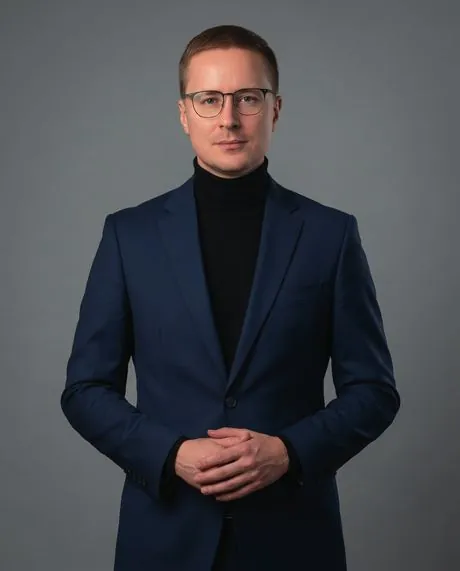
Founder of ABH, 20+ years of living and doing business in China, speaks Chinese at native level. Built a 50,000 m² technopark near Shanghai with $30M+ of investment and has run more than 50 business missions. Works with large Forbes and Fortune 500 companies, comments as an expert in Chinese media (CCTV, Xinhua, China Daily), invited speaker at SPIEF and INNOPROM. On the trip he talks to Chinese experts directly, in Chinese, and explains to the group what conclusions to draw from what they see.
We explain in advance which sites matter most, what to look at first and what questions to ask the Chinese side.
We arrange visits directly with company management, so the group is received by senior managers.
If needed, we keep working: negotiations and contracts, quality control, logistics and customs clearance.
We do not publish the names of the hotels, restaurants and companies. We discuss them with participants one-on-one, in messages or on a call, and share the full list of meetings closer to the trip. The sites include a luxury hotel in a historic building on the Bund, a Michelin-starred restaurant, the flagship of a major Chinese hotel chain and boutique hotels in Moganshan.
In March 2027. Exact dates are agreed with the group.
Russian citizens don’t: visa-free entry to China for up to 30 days has been extended to 31 December 2027, business trips included — a valid international passport is all you need. For other nationalities we’ll explain the visa process and prepare an invitation letter.
Payment is made in Russia, in rubles, through our partner tour operator, by whatever method suits you. The ruble amount is calculated at the tour operator’s exchange rate on the day of payment.
We refund whatever has not yet been spent on arrangements such as hotels, transfers and tickets. The earlier you tell us, the more you get back — a month before departure, almost everything except non-refundable deposits. Exact terms are set out in the contract.
Yes, travel insurance for the duration of the trip is included.
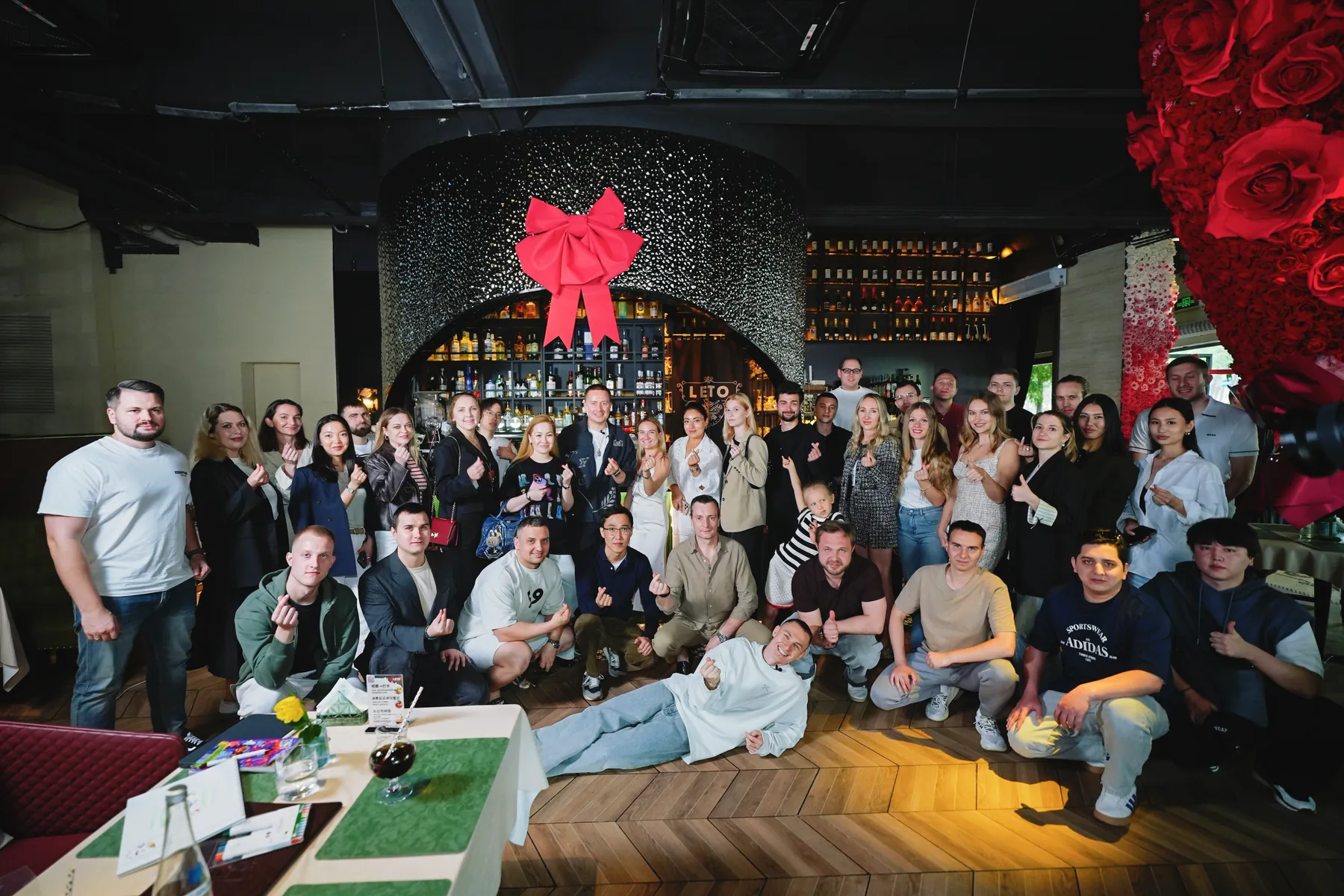
To sign up or learn more about the meetings, contact Maxim Vilkov, the project manager. To discuss whether the programme fits your hotel or restaurant, talk to Ivan Melnikov directly.
 WhatsApp+7 915 942 12 12Call+7 915 942 12 12
 Emailconnect@asiabusinesshub.ruRequest formWe reply during working hours
Your contact is Maxim Vilkov, project manager. WeChat and MAX on the same number.
 Message Maxim on Telegram