ASIA BUSINESS HUB RU Discuss your project
22 November — 1 December 2026 · with RUDN University

AI, robotics and the culture of China

An educational mission for students: 10 days in Shanghai, Hangzhou and Anji. Fudan University, Baidu, robot factories and start-ups — with West Lake, bamboo forests and tea plantations in between.

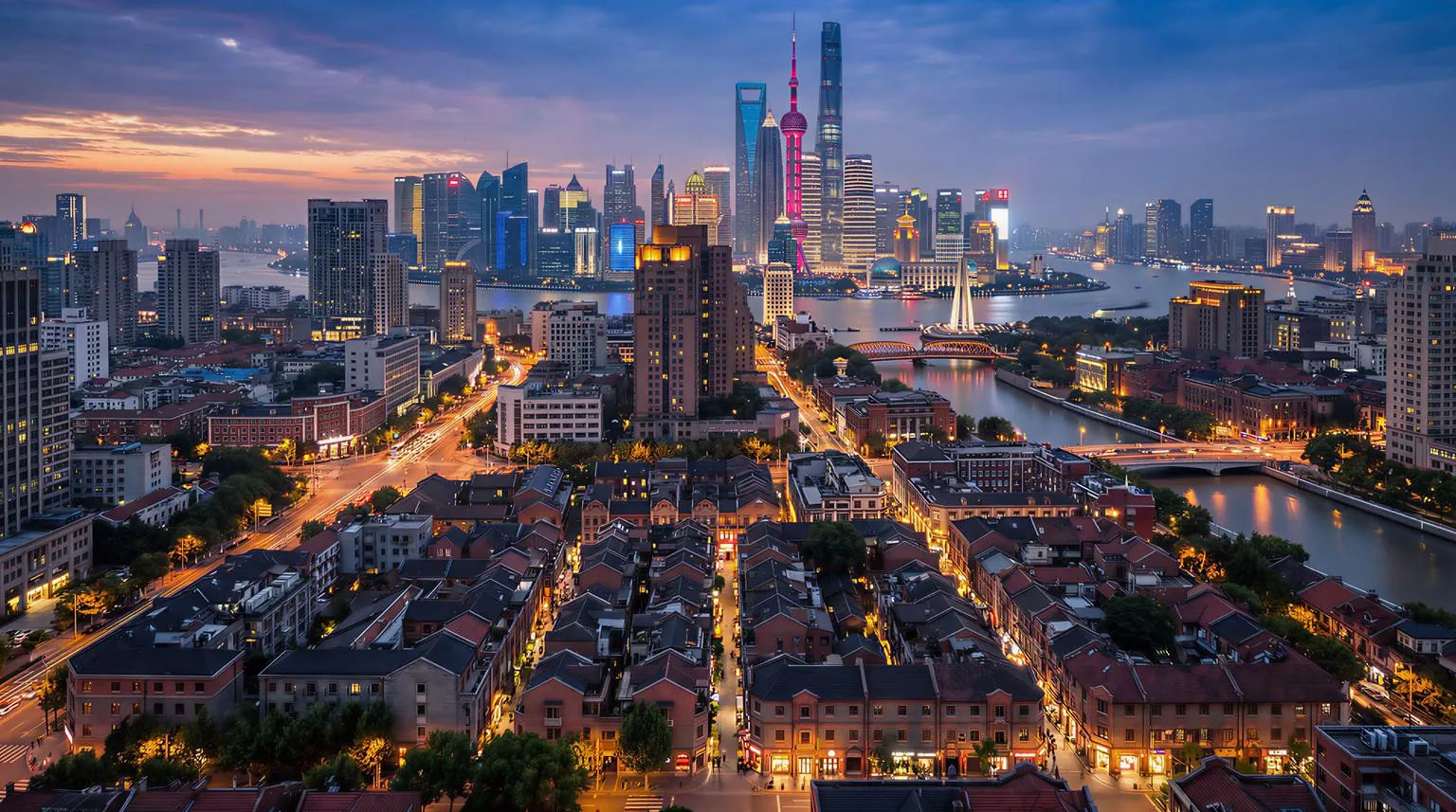
Shanghai in the evening: Pudong skyscrapers above the Huangpu River
10days and 9 nights in China
3cities: Shanghai, Hangzhou, Anji
20students per group at most, plus accompanying staff
RU · 中文professional interpreting 24/7

About the programme

This is not a sightseeing tour but an educational mission. You will see how artificial intelligence and robotics are changing China, and get to know the country's nature and culture. You won't just look at technology — you'll understand how it is built, scaled and woven into everyday life.

  1. AI and robotics

    Fudan University, Zhangjiang AI Island, Baidu PaddlePaddle.

  2. Industrial and service robots

    Shenhao Technology, Yunshen Technology (Deep Robotics).

  3. Culture and nature

    West Lake, the bamboo forests of Anji, tea ceremonies.

  4. Meeting students and entrepreneurs

    Fudan students, the Hangzhou start-up community.

Every meeting is a real conversation, not a formal lecture. We prepare the questions in advance around the group's interests. The group is accompanied by Ivan Melnikov, founder of ABH with 20+ years in China: he explains the business and cultural logic of China and turns what you see into practical takeaways.

Who this trip is for

Students of IT, AI, robotics and digital marketing

and related fields. See real-world use of AI and robots in China, meet the leading companies and put questions to their engineers.

Humanities students

in cultural studies, design and ecology. See how technology coexists with nature and culture, and immerse yourself in Chinese traditions.

Young professionals and senior students

Contacts for possible internships, a certificate of completion and hands-on practice with AI tools.

Lecturers and heads of academic programmes

Assess the format and content of the trip for a possible partnership with your university.

Three cities

Each city is a chapter of its own: technology, applied robotics and tradition.

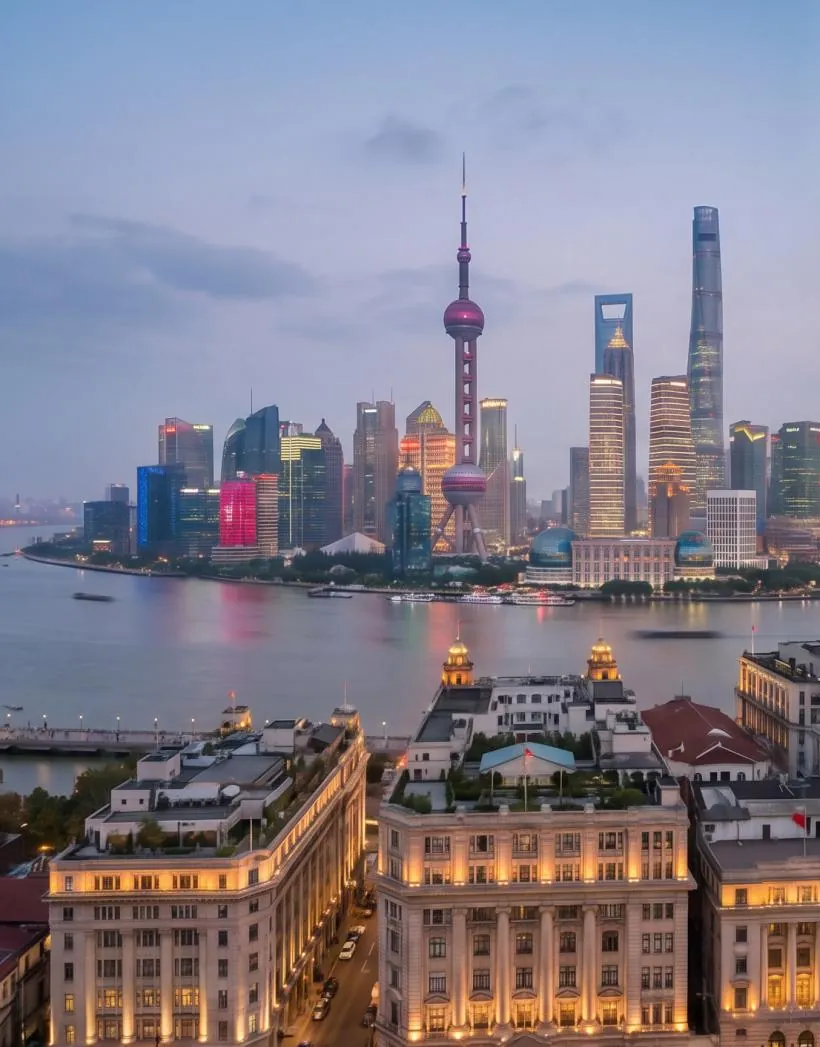
Shanghai waterfront with the Oriental Pearl TV Tower
Technology and innovation

Shanghai

AI, robotics and big tech: from university research to industrial parks. Fudan, Zhangjiang AI Island.

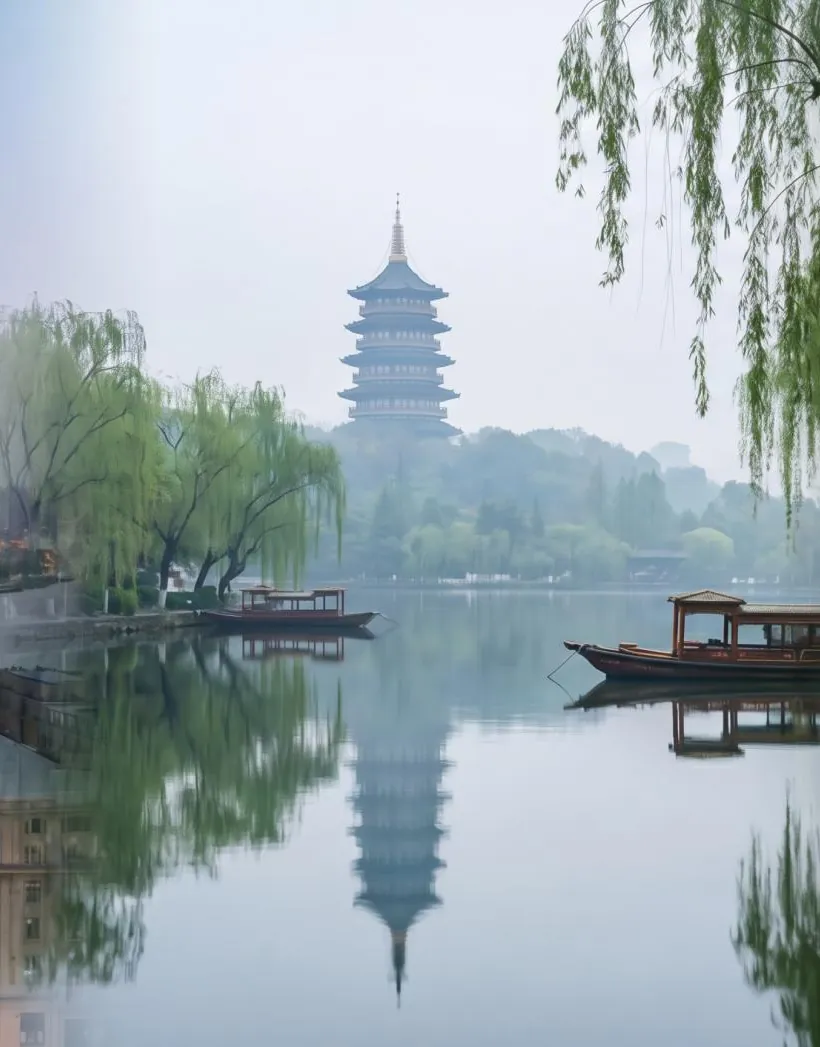
Pagoda by West Lake in Hangzhou
Applied robotics and start-ups

Hangzhou

Industrial robots, leading companies Shenhao and Yunshen, and the city's entrepreneurial scene.
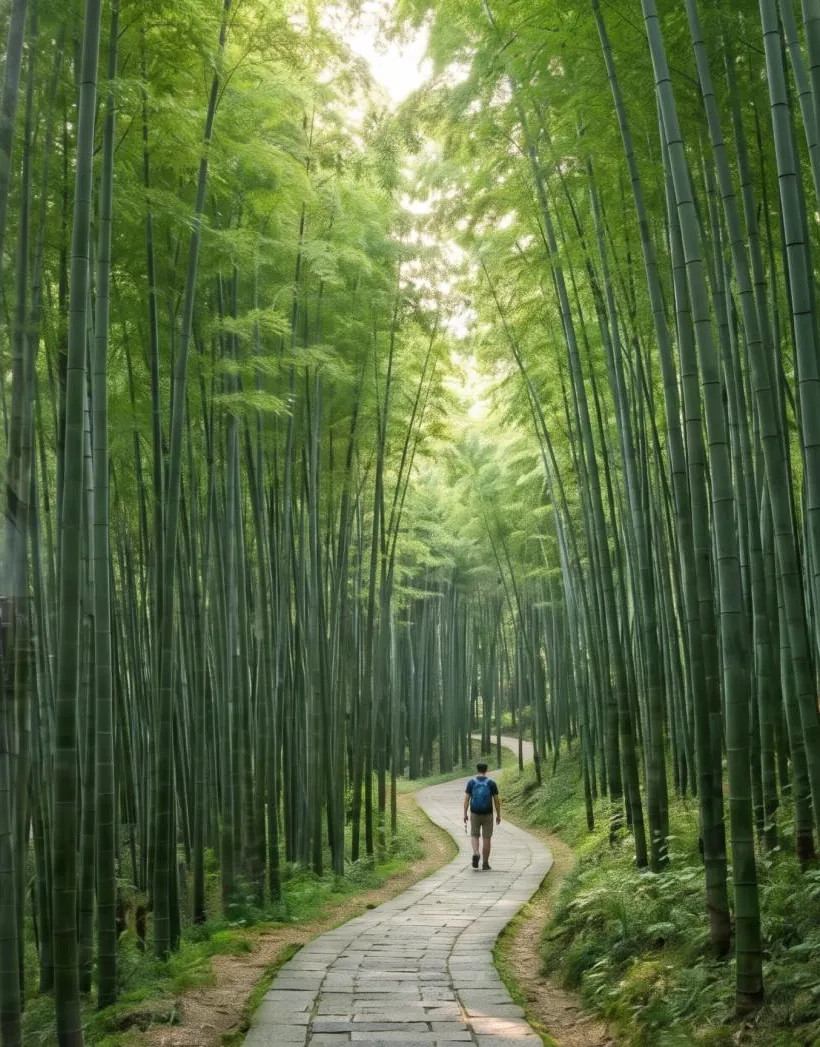
A path through the bamboo forest in Anji
Nature, culture and rest

Anji

Bamboo forests, tea plantations, starry skies and time to recharge.

Day-by-day programme

Tap a day to see the details.

Day 1ArrivalShanghai
All day
Arrival at Pudong or Hongqiao airport, meet and greet, transfer to the hotel.
Evening
Welcome dinner, programme briefing, getting to know the group.
Day 2Fudan University: AI and meeting studentsShanghai
Morning
The AI innovation centre and MOSS, China's answer to ChatGPT. Hands-on session: generating images and text with AI tools.
Afternoon
Lunch in the Fudan student canteen. Lecture by a Fudan professor, “AI in China: trends, cases, careers”. Campus tour: Guanghua Tower, the museum and the park.
Evening
Informal meeting with international Fudan students about studying and living in China. Then free time — we recommend a walk along the Bund.
Questions for the professor and students:
  • Which areas of AI are most promising for young professionals?
  • How do you get an internship or a master's place at Fudan?
  • How do Chinese students see their future in IT?
Day 3Zhangjiang AI Island: full immersionShanghai
Morning
Baidu PaddlePaddle AI Center: a VR smart-city simulation, a test drive of Wenxin Yiyan AI generation, computer vision. Zhangjiang AI Experience Center: AI in the home, medicine and education, with interactive exhibits.
Afternoon
Lunch at a riverside restaurant. Zhangjiang Robot Valley Experience Hall: Fourier Intelligence humanoid robots and medical robots — you can try controlling a robot yourself. Modu Community (AI Town): robots, XR glasses, an AI-run shop.
Evening
Free time.
Questions for the engineers:
  • How are neural networks trained to recognise images?
  • What jobs do industrial robots do in China today?
  • How do you get a job at a Zhangjiang AI Island company?
Day 4Getting to know the cityShanghai → Hangzhou
Morning
High-speed train to Hangzhou (about an hour), transfer to the hotel.
Afternoon
Lunch at a restaurant by West Lake. A walk from Baidi pier to Duanqiao Bridge and a climb up Leifeng Pagoda, with a local guide on the city's history, poetry and architecture.
Evening
Free time to rest after a busy day.

Alternative: in bad weather we visit AIROBOX Robot Dream Factory, an interactive robot museum.

Day 5Industrial robotics and start-upsHangzhou
Morning
Shenhao Technology: a factory tour and demonstrations of robots for power grids, railways and underwater work, including a robot that operates at a depth of 300 m.
Afternoon
Lunch at a local restaurant. Hangzhou Embodied Intelligence Application Center: 136 robots in 33 scenarios, with live demos — a robot barista, a delivery robot, a robot battle.
Evening
Meeting young Hangzhou entrepreneurs, Russian or Chinese: starting a business in China, internships, visa questions. Dinner on your own or with the group.
Questions for the engineers and entrepreneurs:
  • What jobs do robots do in heavy industry?
  • How can a foreign graduate get a visa and find work in China?

Alternative: by agreement — Xinjian Transmission (components for humanoid robots) or Hangzhou Robotics Expo Center.

Day 6Quadruped and humanoid robotsHangzhou
Morning
Yunshen Technology (Deep Robotics): a robot dog for patrols and emergency response. You can try controlling it and ask the developers questions.
Afternoon
Lunch at a local restaurant. A ride on the Future Science & Technology City Loop driverless bus: L4 autonomy, on a route past the Alibaba campus. Optional robotaxi test ride with DiDi or Cao Cao.
Evening
Free time, packing.

Alternative: the XinSong Robotics plant, where robots assemble robots, or the robot exhibition in Xiaoshan.

Day 7Nature and teaHangzhou → Anji
Morning
Coach to Anji (about 1.5 hours).
Afternoon
Check-in at an eco-hotel in Yucun village. Lunch: local cuisine. Xilong tea plantations: hand-picking tea, then a master class in roasting and brewing.
Evening
Barbecue, guitar and stargazing, weather permitting. A relaxed, informal evening.
Day 8Bamboo forests and cultural heritageAnji
Morning
Anji's Great Bamboo Forest: an easy trek through the bamboo to a viewpoint at 612 m. Optional funicular ride up.
Afternoon
Lunch at a restaurant at the foot of the hill. Choice of the Anji Bamboo Museum or a bamboo-weaving master class.
Evening
Free time, a walk around the village, farewell dinner in Anji. Night at the eco-hotel.
Day 9Back to ShanghaiAnji → Shanghai
Morning
Transfer to Shanghai (about 3 hours).
Afternoon
Check-in at Ji Hotel. Lunch on your own, free time for shopping, walks and meetings.
Evening
Farewell dinner at a restaurant with a panoramic view, certificates, exchanging contacts.
Day 10Flight homeShanghai
Morning
Early start, transfer to the airport, flight to Moscow, direct or with a connection. End of the programme.

In case of force majeure, ABH may replace a visit with an equivalent one, always notifying the group in advance.

What you will get

Real practice, contacts at leading companies and a certificate of participation: the trip works for your CV and future internships.

Certificate

Of participation in the AI mission, issued by Asia Business Hub. You can list it on your CV.

Practical skills

Working with AI tools including Baidu PaddlePaddle, controlling robots, master classes.

Company contacts

Baidu, Zhangjiang AI Island, Shenhao, Yunshen Technology, Fudan University — for internships and thesis projects.

International experience

Experience of international communication and an understanding of cultural differences.

Right after the trip

  • AI mission certificate.
  • A digital souvenir.
  • Photo and video archive of the trip.

Within a month

  • A list of company contacts.
  • Recommendations on internships and further study.
  • For universities (10+ participants, on request): an analytical note with conclusions and recommendations on using China's experience in curricula.

After the trip you stay in the alumni chat: vacancies, projects and news about Asia Business Hub missions.

What makes this trip different

  1. AI and robots in action.

    Not just lectures: you control robots, work with AI tools and talk to engineers.

  2. A dialogue, not a tour.

    Every meeting is a real conversation with professors, developers and entrepreneurs.

  3. China through an expert's eyes.

    Ivan Melnikov travels with the group and turns observations into practical conclusions.

  4. A balance of technology, culture and rest.

    The programme is packed, but bamboo forests and tea plantations give you time to recharge.

  5. Safety and full support.

    A Russian-speaking guide and interpreters 24/7, medical insurance, comfortable transport, vetted hotels.

The team on the ground

Ivan Melnikov, founder of Asia Business Hub
  • Ivan Melnikov — mission leader

    20+ years of living and doing business in China. Built a 50,000 m² technopark near Shanghai, raised $30M+ of investment for it and has run more than 50 business missions. On the trip he explains China's business and academic logic and suggests which questions to ask.

    Ivan’s story

  • Interpreters

    Two at every business meeting (Russian — Chinese) and two more for everyday communication.

  • Guide, coordinator and project manager

    A Russian-speaking guide for the whole route and a manager who handles all the logistics. Support 24/7.

  • Drivers

    Experienced drivers in comfortable coaches and minibuses.
Accommodation, meals, transport

Accommodation

  • Shanghai: Ji Hotel or a similar 3–4* hotel.
  • Hangzhou: a 3–4* hotel near West Lake.
  • Anji: an eco-hotel in Yucun village.
  • Twin-share rooms.

Meals

  • Breakfast at the hotels.
  • Lunches and dinners at restaurants serving local and European food.
  • Dietary options on request.

Transport

  • In the cities: a comfortable coach.
  • Shanghai — Hangzhou: high-speed train, second class.
  • Hangzhou — Anji — Shanghai: coach.
  • Airport — hotel transfers included.

Format and price

PriceOn requestFor a group of 12–15, twin-share accommodation10 days / 9 nights · Shanghai — Hangzhou — Anji · 3–4* hotels

Included

  • 3–4* hotels, twin-share rooms.
  • Meals as per the programme: breakfasts, lunches, dinners.
  • All internal transport, including the Shanghai — Hangzhou high-speed train.
  • Entrance tickets to every site in the programme: museums, parks, showrooms.
  • Guide, interpreters and coordinator, and Ivan Melnikov's participation.
  • Professional photo and video coverage.
  • Medical insurance for the duration of the trip.
  • Souvenirs and a certificate.

Not included

  • International flights Moscow — Shanghai — Moscow.
  • Personal expenses.
  • Optional extra excursions.
  • Tips.

How our business missions work

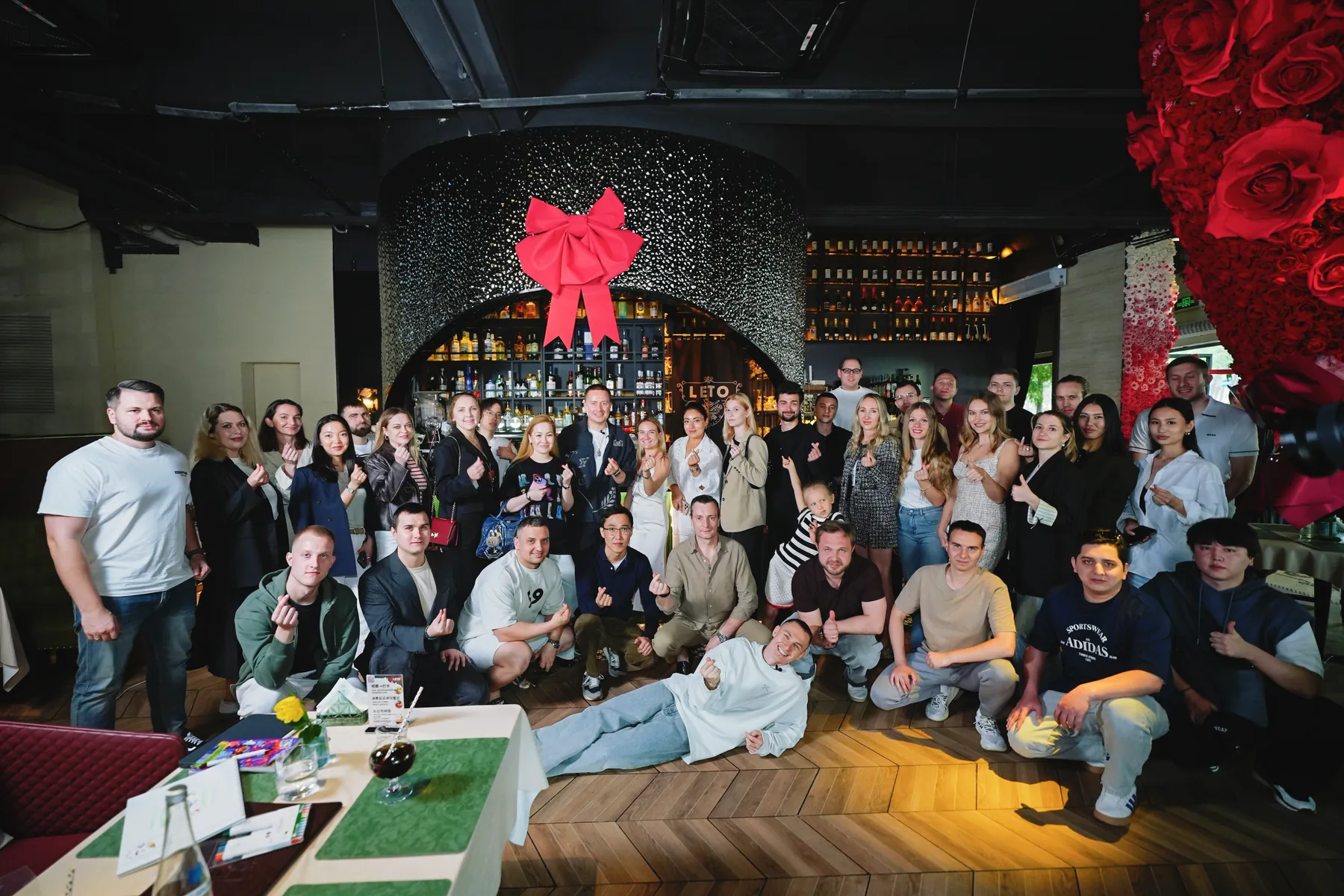
ABH business mission participants in Shanghai

ABH business mission participants in Shanghai

1 / 15

Sign up and ask questions

Message or call Maxim: we'll walk you through the programme and the price, and answer questions from students and lecturers.

Your contact is Maxim Vilkov, project manager. WeChat and MAX on the same number.

Thank you! We have your request

We’ll get back to you during Shanghai business hours.

If it’s urgent, message Maxim Vilkov:

Discuss your project
Specs, drawings, photos — up to 15 MB
Request — Business Missions